WHO chief upbeat on missing piece of pandemic treaty / Photo: © AFP

The World Health Organization chief said Friday that countries were in a strong position to finalise the vital missing piece of the pandemic treaty, which will determine how vaccines are shared.
In April, WHO member states concluded a landmark Pandemic Agreement on tackling future health crises, after more than three years of negotiations sparked by the shock of Covid-19.
The accord aims to prevent the disjointed responses and international disarray that surrounded the Covid-19 pandemic by improving global coordination and surveillance, and access to vaccines, in any future pandemics.
But the heartbeat of the treaty, the Pathogen Access and Benefit-Sharing (PABS) system, was left aside in order to get the deal over the line.
Countries were given another year to thrash out the details of how it will work.
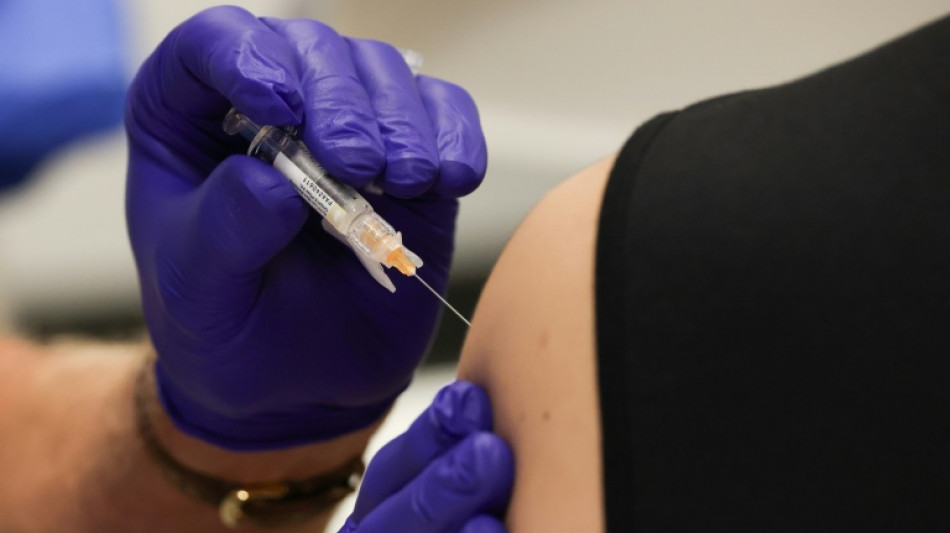
The PABS mechanism deals with sharing access to pathogens with pandemic potential, then sharing the benefits derived from them: vaccines, tests and treatments.
Countries are tasked with getting the PABS system finalised by the next World Health Assembly in mid-May. The annual gathering of member states is the WHO's decision-making body.
"This is both a generational opportunity and a generational responsibility," WHO chief Tedros Adhanom Ghebreyesus said, after countries wrapped up a week of talks.
"As we get ready to close out this year, we are in a strong position to forge consensus, finalise the draft, and prepare for adoption at next year's World Health Assembly.
"Together, we are moving toward a world that is better prepared for future pandemics."
Countries will resume their fourth round of talks on January 20-22.
Once the PABS system is finalised, the entire agreement can then be ratified by members, with 60 ratifications required for the treaty to enter into force.
"As we cross the half-way mark in negotiations on the PABS system, I am encouraged by the progress we've made towards enabling a faster and more equitable global response to future pandemics," said Matthew Harpur, co-chair of the talks.
Co-chair Ambassador Tovar da Silva Nunes of Brazil added: "We are confident we can build a strong and balanced PABS system that will benefit all people."
(C.Fournier--LPdF)